
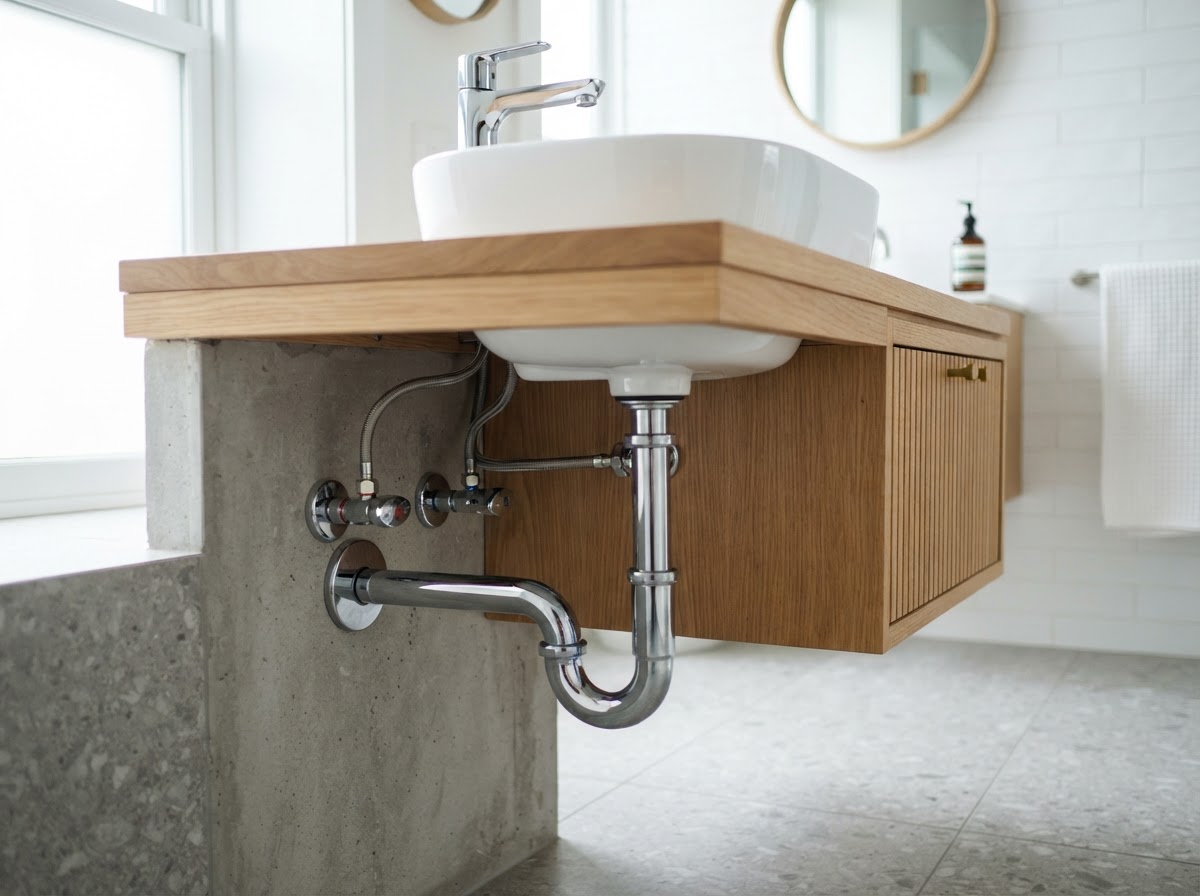
Recognizing the Signs
Plumbing problems rarely appear without warning. Most develop over time, and learning to recognize the early signs of plumbing maintenance can help you act before a small issue becomes a costly failure. This guide walks through the symptoms that matter, what they typically mean, and when it's time to call a professional.
It's important to understand that symptoms can overlap—a single sign may have more than one cause. The goal here isn't to diagnose your specific problem from a checklist, but to help you know what to watch for and when professional assessment makes sense.
Common Symptoms of Plumbing Maintenance Issues
If you're noticing any of the following, it's worth looking into further:
Warning Signs
- Occasional slow drains or minor drips
- Aging fixtures or supply lines approaching end of life
- Water heater due for inspection or flushing
- Property with deferred or unknown maintenance history
These signs don't all appear at once, and not every property experiences them the same way. But each is a signal that something has changed in your plumbing system and may warrant attention.
What These Symptoms Usually Mean
Symptoms fall into a few broad categories. Visible water where it shouldn't be points to a leak or overflow. Changes in water pressure or flow can indicate a blockage, a failing fixture, or a supply line issue. Unusual sounds—gurgling, banging, or running—often signal air in lines, a failing valve, or a drain problem. And unexpected increases in your water bill can reveal a hidden leak that isn't yet visible.
For plumbing maintenance specifically, common underlying causes include normal wear and aging of fixtures and supply lines, sediment and mineral accumulation, deferred or inconsistent maintenance, though the actual cause in your case can only be confirmed with an assessment.
When to Call Right Away
Some symptoms are urgent. Active leaks with running water, sewage backing up into fixtures, total loss of water, or flooding from a supply line all warrant an immediate call to our 24-hour line. If it's safe to do so, shut off water at the nearest valve or main to limit damage while you call.
Symptoms that develop gradually—occasional slow drains, a small drip, minor pressure changes—usually don't require an emergency call, but they shouldn't be ignored. Scheduling an assessment before a failure is almost always more cost-effective than responding to one.
Why Professional Diagnosis Matters
Because symptoms can have multiple causes, guessing from a checklist can lead to the wrong fix. A slow drain might be a simple clog, or it might be a sign of a damaged sewer line. Low pressure might be a fixture issue, or it might point to a supply line problem. Professional assessment narrows the actual cause before any work is recommended.
If you're experiencing any of these signs, the next step is straightforward: learn more about plumbing maintenance or request an assessment. For urgent symptoms, call (689) 326-8988 right away.
Frequently Asked Questions
Related Articles
Plumbing Emergency? Call Any Time.
Call our 24-hour line for urgent leaks, backups, and failures.