
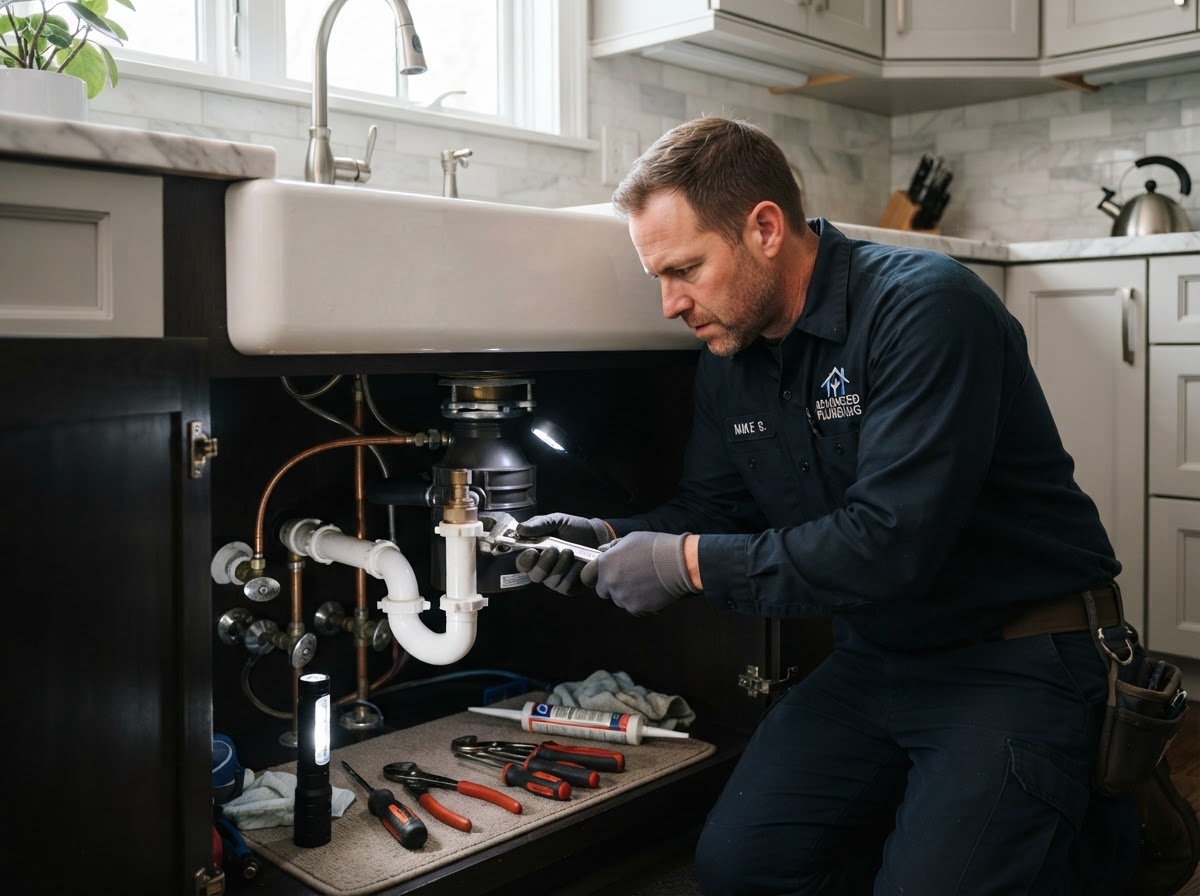
What to Expect From Emergency Plumbing
Knowing what a plumbing service involves helps you prepare and sets realistic expectations. This guide explains how emergency plumbing typically works, how to prepare your property, and how to keep things working afterward.
Every situation is a little different, but the general process is consistent: describe the issue, assess the affected system, explain options, complete the agreed work, and test the result. Understanding each step helps the visit go smoothly.
The Service Process
Here's what to expect during emergency plumbing:
- Call our 24-hour line and describe the symptom, location, and any safety concerns
- Take safe immediate precautions—shut off water at the nearest valve or main if possible
- A technician is dispatched to assess and isolate the failure
- We stop the active leak or backup and stabilize the affected area
- We explain findings and recommend follow-up repair or scheduled work
We explain what's included and what's not before starting, so there are no surprises. If the work reveals additional issues, we discuss them with you before proceeding.
How to Prepare
Good preparation helps the visit go efficiently and can reduce the time and cost involved. If you can safely reach the shut-off valve for the affected fixture or the main water shut-off, turn it off to limit damage. Move belongings away from active water if safe, and note when the problem started and what you observed for the technician.
Preparation Checklist
- Clear the area around the problem fixture or access point
- Note when symptoms began and how they've changed
- Gather warranty or product information for existing fixtures
- Identify shutoff valves in case they're needed
- Make sure the work area is accessible
What to Expect During the Visit
We start by assessing the affected system and identifying the cause, then explain the options with honest trade-offs. Once you agree on the work, we complete it and test the result before considering the job done. We clean up and answer any questions you have.
For some services, access may require opening a wall, floor, or ceiling. We explain what's involved before proceeding and discuss restoration boundaries so you know what to expect.
Ongoing Care and Prevention
After the work is done, prevention matters. Steps that help keep your system working include:
Prevention Tips
- Schedule periodic inspections of supply lines and shut-off valves
- Replace aging braided hoses and supply connections
- Address slow drains early before they become backups
- Know the location of your main water shut-off before an emergency
To learn more or schedule work, visit our emergency plumbing page or request service.
Frequently Asked Questions
Related Articles
Plumbing Emergency? Call Any Time.
Call our 24-hour line for urgent leaks, backups, and failures.